Make the most out of wastewater
An untapped resource not to be neglected
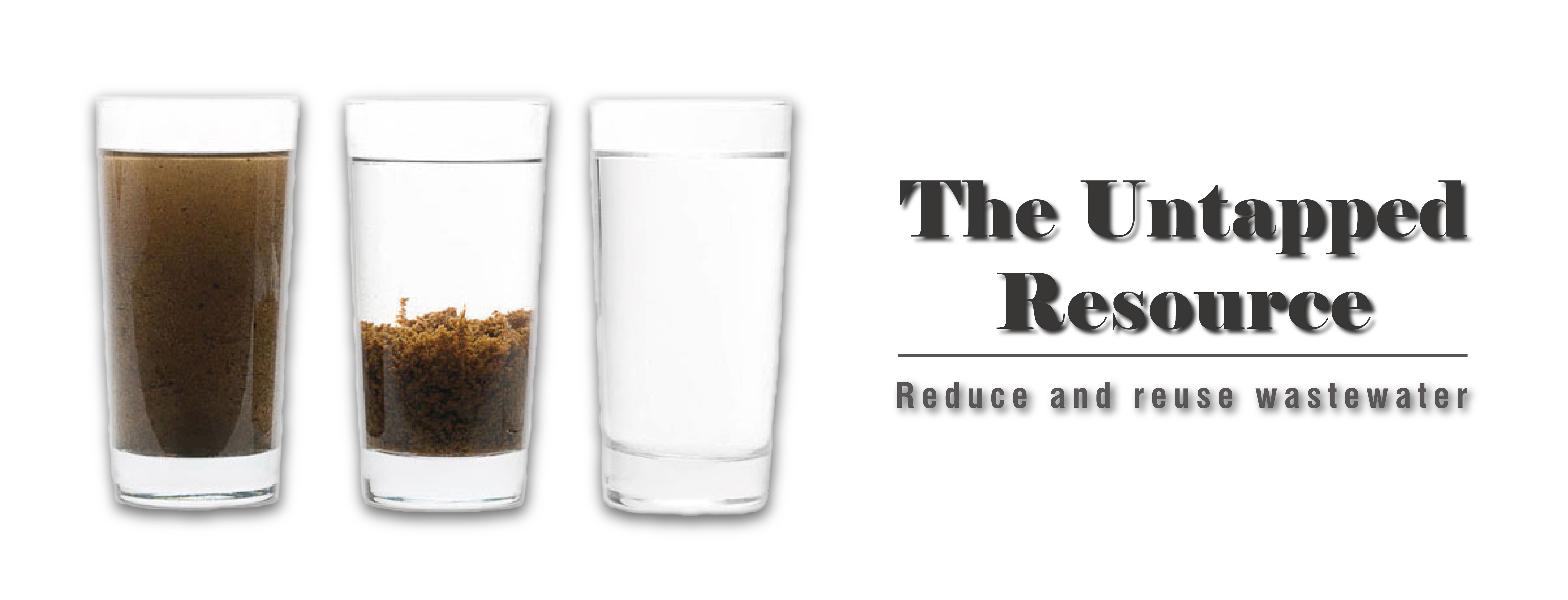
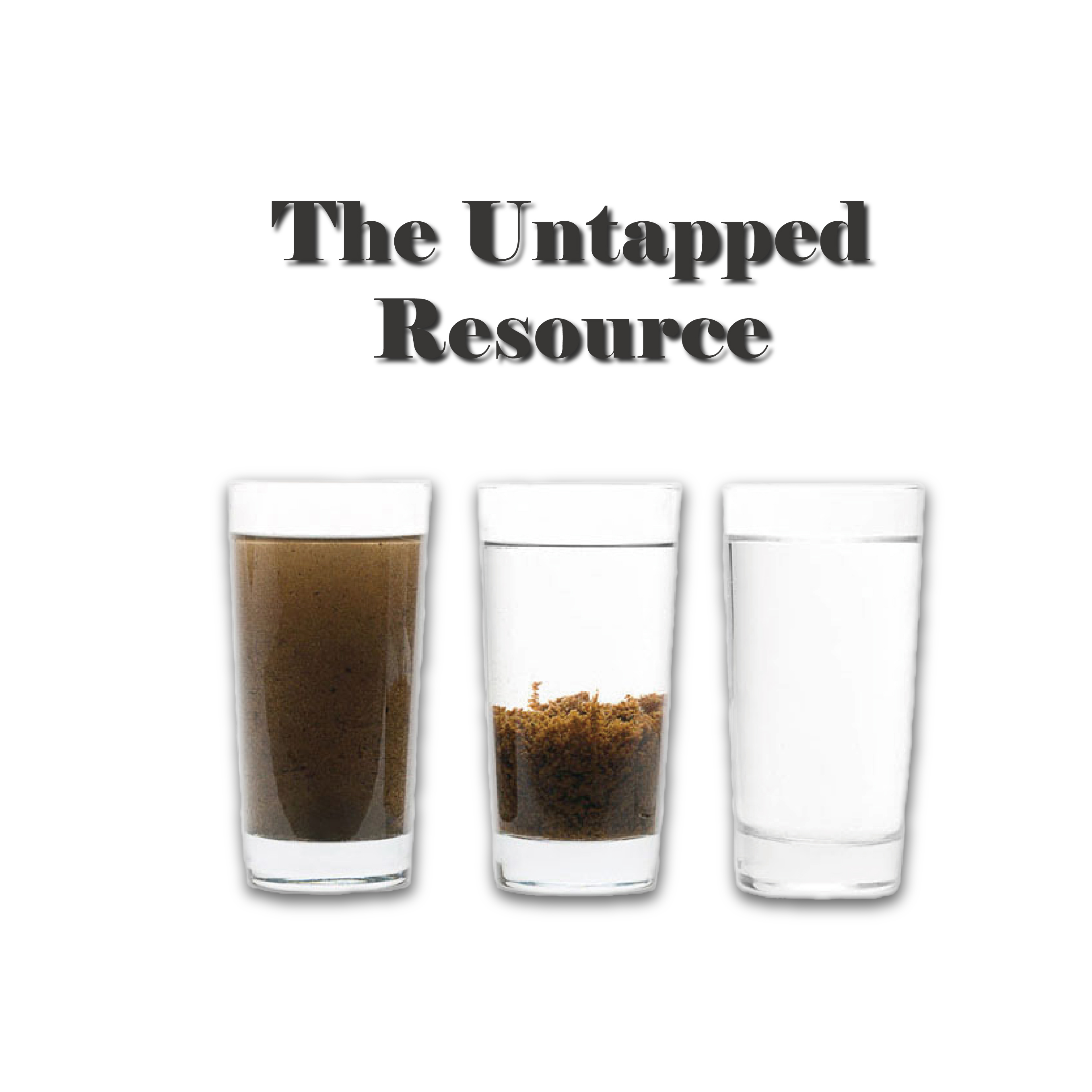
The main idea of “World Water Day 2017” is to make the best use of wastewater through reducing pollution, eliminating dumping, minimizing release of harmful chemical contaminants, halving the ratio of untreated water, and extensively raising recycling and safe reuse universally to improve water quality. There are four aspects to exploit wastewater as a resource.
- It is necessary to manage carefully every part of water, including fresh water abstraction, pre-treatment, distribution, use, collection and post-treatment. However, wastewater has already return to the environment and has become a cycle.
- The amount of wastewater is increasing in the world due to human activities but wastewater is extremely underestimated that can be a potential, sustainable and economical resource rather than a pollutant. We have good enough treatment measures and operational systems to satisfy growing water demand in the world.
Wastewater and the water cycle
- By 2030, the global demand is predicted to increase by 50%. Most of water demand come from cities, which needs new resolution to collect wastewater. Reducing wastewater not only can deal with water stress, but also can help handle other challenges, such as food production and industrial development
- Over 80% of the world’s wastewater is discharged to the environment without any treatment. In addition, household effluent, urban and industries wastewater release a large of quantities of toxic chemicals and medical substances into wastewater system. Nevertheless, traditional wastewater treatment machines cannot remove all pollutants, like endocrine disruptors. As a result, human and ecosystem will be adversely affected.
Wastewater and cities
- Industrial water consumption is responsible for 22% of global water use. Through ‘industrial symbiosis’, wastewater can be reused between different businesses. Reducing and treating wastewater before discharging has now been promoted. In, 2009, industrial water consumption of developed countries was 50% compared to 4-12% in developing countries. It is expected that proportion in industrialising countries could increase by a factor of five in the next 10-20 years. Hence, wastewater is strongly encouraged to be reused internally. For example, in South Africa, the Witbank coalfields deals with water scarcity by using desalination technology to treat industrial water.
Wastewater and industry
- Because of lacking adequate treatment, pollution of groundwater and surface water by agricultural use is a major problem in many developing countries where irrigation is practiced. More and more farmers are investigating non-traditional water resources. Indeed, wastewater is a good choice. It could be a valuable resource if wastewater can be safely applied, which not only can provide high nutrient content, but also contribute to the improvements of water and food security. For example, treating wastewater clears the way for 50% of irrigation water.
- The health of agricultural workers can be improved by enhancement of wastewater management with reducing the risk of pathogen exposure. In order to protect public health, the WHO Guidelines on Safe Use of Wastewater in Agriculture and Aquaculture and the Sanitation Safety Planning approach offers a complete framework to ensure that health risks are managed.
Wastewater and agriculture
https://www.watpure.com/index.php